IV therapy has become a widely discussed wellness option, moving beyond hospitals into clinics, athletic centers, and home-based services. Many people turn to IV therapy for faster hydration, nutrient replenishment, recovery support, and short-term wellness benefits.
Unlike oral supplements, IV therapy delivers fluids and nutrients directly into the bloodstream, allowing the body to access them immediately. This direct delivery is often appealing to individuals who are dealing with fatigue, dehydration, intense physical demands, or nutrient-absorption issues.
As interest grows, so do questions around effectiveness, safety, duration, and cost. Some people view IV therapy as a performance or recovery tool, while others see it as a preventive wellness option.
Understanding what IV therapy is, how it works, and when it makes sense to use it is essential before deciding to use it. To explore different treatment options, you can review our IV therapy services to better understand how IV therapy is applied in wellness settings.
What Is IV Therapy?
IV therapy, short for intravenous therapy, is a medical method of delivering fluids, vitamins, minerals, electrolytes, or medications directly into a vein. By entering the bloodstream immediately, these substances bypass the digestion and absorption limits found with food or oral supplements. This allows for rapid availability throughout the body.
IV therapy has been used for decades in hospitals to treat dehydration, nutrient deficiencies, infections, and medical emergencies. In modern wellness settings, the same technique is adapted to support hydration, recovery, and short-term performance needs.
The core principle remains the same: controlled, sterile delivery under professional supervision. While IV therapy can support wellness goals, it is most effective when used to address a fundamental physiological need rather than as a routine replacement for healthy habits.
What Is IV Infusion Therapy?
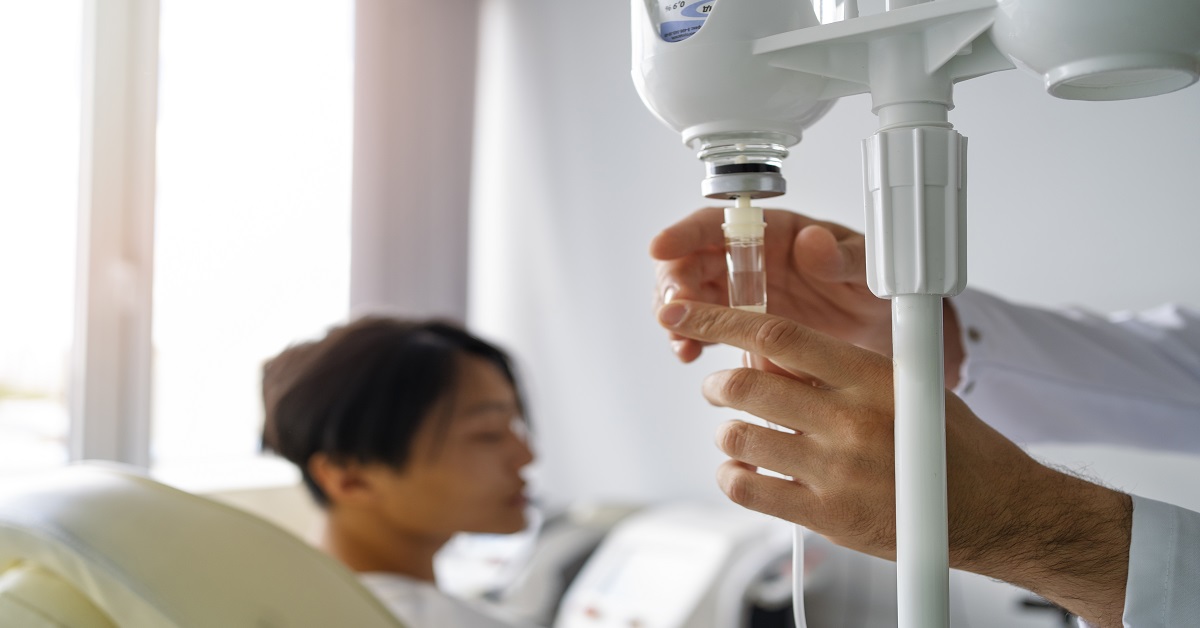
IV infusion therapy refers to the controlled process of delivering fluids or nutrients into the bloodstream over a set period of time. A medical professional inserts a small catheter into a vein and connects it to an IV line that slowly and steadily delivers the solution. This controlled pace helps the body absorb nutrients efficiently while reducing discomfort or stress on the veins.
IV infusion therapy is commonly used when rapid or reliable nutrient delivery is needed. It may include saline for hydration, vitamins such as B-complex or vitamin C, minerals like magnesium, or medications. Because digestion is bypassed, infusion therapy ensures predictable absorption, making it useful when oral intake is ineffective or too slow.
What Is IV Drip Therapy?
IV drip therapy is a commonly used term for vitamin or nutrient blends delivered through an IV bag via gravity or controlled flow. These drips are often grouped by purpose, such as hydration, energy, immune support, skin health, or recovery. The drip itself is simply the delivery method, while the real benefit comes from the nutrients inside.
In wellness clinics, IV drip therapy is often customized based on individual needs, lifestyle, or goals. While marketing names may vary, effective IV drip therapy focuses on proper dosing, balance, and safety rather than labels. A well-designed drip supports hydration and replenishment without overwhelming the body.
What Is IV Hydration Therapy?
IV hydration therapy is designed to restore fluid balance in the body quickly and efficiently. It typically uses a saline base, sometimes combined with electrolytes and vitamins. Because fluids enter the bloodstream directly, hydration occurs faster than with drinking water alone.
This therapy is often used after intense exercise, illness, excessive heat exposure, travel fatigue, or dehydration caused by vomiting or diarrhea. IV hydration therapy helps restore blood volume, improve circulation, and support normal body functions. While effective for acute dehydration, it should complement, not replace, daily hydration habits.
What Is Mobile IV Therapy?
Mobile IV therapy delivers IV treatment outside a clinic, usually at home, in hotels, offices, or event locations. A licensed medical professional travels to the client, performs a basic health screening, and administers IV therapy on-site using sterile equipment.
IV therapy is available in clinics and through mobile services like IV therapy in Greenville SC to support hydration, recovery, and wellness.
This option appeals to people who value convenience, privacy, or home recovery. Mobile IV therapy is commonly used by busy professionals, travelers, athletes, and those recovering from illness. While convenient, it usually costs more than in-clinic services due to travel and the need for personalized care. Safety standards should match clinic-based treatment.
What Is the Purpose of IV Therapy?
The primary purpose of IV therapy is to deliver hydration and nutrients directly into the bloodstream for immediate use by the body. This method allows faster correction of deficiencies, improved hydration, and short-term functional support during periods of stress or recovery.
IV therapy is often used when the body needs quick replenishment or when absorption through the digestive system is limited. Its role is supportive, not curative. When used responsibly, IV therapy can enhance recovery, hydration, and performance during demanding periods, but it works best when combined with proper nutrition, rest, and medical care.
What Is IV Therapy Used For?
IV therapy is used for both medical and wellness-related purposes. Typical uses include treating dehydration, replenishing vitamins and minerals, supporting recovery after illness, and managing fatigue. Athletes may use it for post-training recovery, while travelers may use it to combat dehydration and jet lag.
It is also used for individuals with nutrient absorption issues or those under high physical or mental stress. While IV therapy can provide short-term benefits, it should be guided by professional assessment and aligned with a person’s overall health needs rather than used casually or excessively.
Does IV Therapy Work?
IV therapy delivers fluids and nutrients directly into the bloodstream, making them immediately available to the body’s cells. This bypasses digestive processes that can reduce absorption from oral supplements.
As a result, the effects of IV therapy are often felt faster, especially for hydration and energy support. For people who are dehydrated, nutrient-deficient, or physically stressed, IV therapy can provide noticeable short-term benefits.
These may include improved hydration, reduced fatigue, and quicker recovery. Effectiveness depends on individual health, lifestyle, and the specific formulation used. IV therapy is most effective when addressing a clear physiological need rather than being used as a general wellness shortcut.
Is IV Therapy Good for You?
IV therapy can be good for you when it addresses a clear and specific need in the body. People who are dehydrated, nutrient-deficient, under physical stress, or recovering from illness may benefit the most. Because IV therapy delivers fluids and nutrients directly into the bloodstream, it can provide faster support than oral supplements.
That said, IV therapy is not essential for everyone. For generally healthy individuals, the benefits are usually temporary and supportive rather than transformative. It should not replace a balanced diet, regular hydration, proper sleep, or medical care. IV therapy works best as an occasional wellness support, not a daily health solution.
Is IV Therapy Worth It?
Whether IV therapy is worth it depends on your goals, expectations, and lifestyle. For people who need rapid hydration, quick recovery, or short-term nutrient replenishment, IV therapy can offer noticeable value. It is often used during travel, during intense work periods, during recovery from illness, or during athletic exertion.
However, IV therapy is not a long-term fix for poor nutrition or chronic fatigue caused by lifestyle habits. Its value comes from targeted, intentional use rather than routine dependence. Cost, frequency, convenience, and your personal health needs should all be carefully considered before deciding whether IV therapy is a worthwhile option for you.
How Often Do Athletes Get IV Therapy?
Athletes typically use IV therapy selectively rather than on a fixed schedule. Frequency depends on training intensity, competition demands, hydration status, and recovery needs. Some athletes may use IV therapy during peak training phases, after endurance events, or when traveling frequently.
Others may only use it during illness or extreme physical stress. Regular or frequent IV therapy without medical supervision is not advised. Most athletes benefit from IV therapy as a recovery tool alongside proper nutrition, hydration, rest, and conditioning. When used strategically and professionally, it can support recovery without becoming a crutch.
How Long Does IV Therapy Last?
The effects of IV therapy typically last from a few days to about one week, depending on the individual and the type of infusion. Hydration benefits are often felt almost immediately, especially for those who are dehydrated.
The effects of vitamins and minerals may last longer as the body gradually uses these nutrients for energy, recovery, and cellular function. Duration can vary based on factors such as overall health, physical activity, diet, stress levels, and hydration habits.
Individuals with high physical demands or ongoing dehydration may notice the effects fade sooner. IV therapy offers temporary support and is most effective when combined with healthy daily habits that help maintain the benefits over time.
How Long Does an IV Therapy Session Take
An IV therapy session typically lasts between 30 and 60 minutes from start to finish. This timeframe includes preparation, IV-line placement, the infusion itself, and brief monitoring during the session.
The exact duration depends on the type of IV therapy, the volume of fluids, and the infusion rate used for safety and comfort. Some specialized or higher-volume treatments may take slightly longer.
Mobile IV therapy sessions can also require additional time for consultation and setup at the location. Overall, sessions are calm and controlled, allowing clients to relax comfortably while treatment is administered.
Is IV Therapy Safe?
IV therapy is generally considered safe when it is administered by licensed medical professionals using sterile equipment and proper screening protocols. Safety largely depends on accurate dosing, appropriate nutrient selection, and careful monitoring throughout the infusion process.
Most reputable providers conduct a basic health assessment before treatment to identify potential risks. However, like any medical procedure, IV therapy is not entirely risk-free. Possible side effects include infection at the injection site, vein irritation, bruising, or temporary discomfort.
Nutrient imbalance can also occur if IV therapy is used excessively or without professional guidance. Individuals with kidney disease, heart conditions, or chronic medical issues should consult a healthcare provider before treatment. Selecting a reputable provider with medical oversight significantly reduces potential risks.
How Much Does IV Therapy Cost?
The cost of IV therapy varies depending on location, provider expertise, ingredients used, and whether the service is offered in a clinic or through a mobile provider. Basic IV hydration therapy typically ranges from $100 to $200 per session and focuses primarily on fluid and electrolyte replacement.
Vitamin-infused IV drips usually cost between $150 and $300, depending on the type and dosage of nutrients included. Specialized or high-dose treatments, such as immune or recovery-focused infusions, may cost more than $300.
Mobile IV therapy often costs more due to travel and convenience. Many clinics offer packages or memberships that lower the cost per session. Pricing should reflect professional oversight, quality ingredients, and safety standards.